
The world has changed. Learning technology should too.
We help organizations create modern learning experiences built on learner agency, privacy by design, and meaningful engagement.
Why We Exist
Everyone loves learning. Somewhere along the way, many stop loving the systems around it.

Learning is naturally social, experiential, and deeply human.
Yet many digital learning environments were designed around outdated business models, antiquated technologies, and artificially imposed institutional borders, not on learners' experiences.
We built Linkr to create a different kind of learning platform: one that helps people connect, collaborate, grow, and continue learning even after a course or program ends.
And because trust is fundamental to learning, we built Linkr with privacy, learner ownership, and data minimization at its core.

Where it all started
Designed by an educator, shaped by real-world learning experiences.
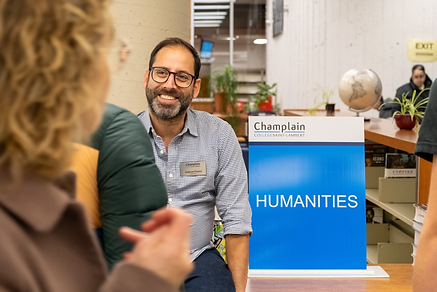
As a Humanities instructor at Champlain College in Quebec, Gabriel Flacks noticed that standard learning management systems and academic tools were out of touch with how modern students actually learn.
He realized students needed a relational, collaborative and safe environment that could connect them with peers globally rather than isolating them behind desks.
In 2012, he started a virtual community for teachers and students, which eventually culminated in the official founding of Linkr in 2016.
Our Beliefs
They have guided Linkr from the beginning and continue to shape every product decision we make.

Privacy builds trust
Trust is essential to learning and learners should not have to trade privacy for participation. Educational technology should only collect the information needed to support the learning experience and never rely on exploiting or selling user data.

Learning is lifelong
A learner's journey does not begin or end with a course, semester, employer, or institution. Learning happens across experiences, careers, communities, and stages of life. Technology should support that continuity.

Learning is social
People learn better through conversation, collaboration, mentorship, reflection, and shared experiences. Educational technology should help organizations create those lasting connections.

Learning should be owned by learners
People engage more deeply when they have agency and ownership over their learning experience. A learner's identity, achievements, credentials, portfolio, and network should not disappear when a program ends.

Learning technology should empower, not control
Technology works best when it removes barriers and creates opportunities for participation. Its role is not to dictate how people teach and learn, but to support meaningful learning experiences designed by educators, facilitators, and communities.

Learning is about more than content
Watching videos and reading materials are only part of the learning process. Growth happens through practice, discussion, projects, reflection, feedback, relationships, and real-world application. Modern learning platforms should support the full learning experience, not just content delivery.